
QR Code Menus for Vietnamese Street Food Venues
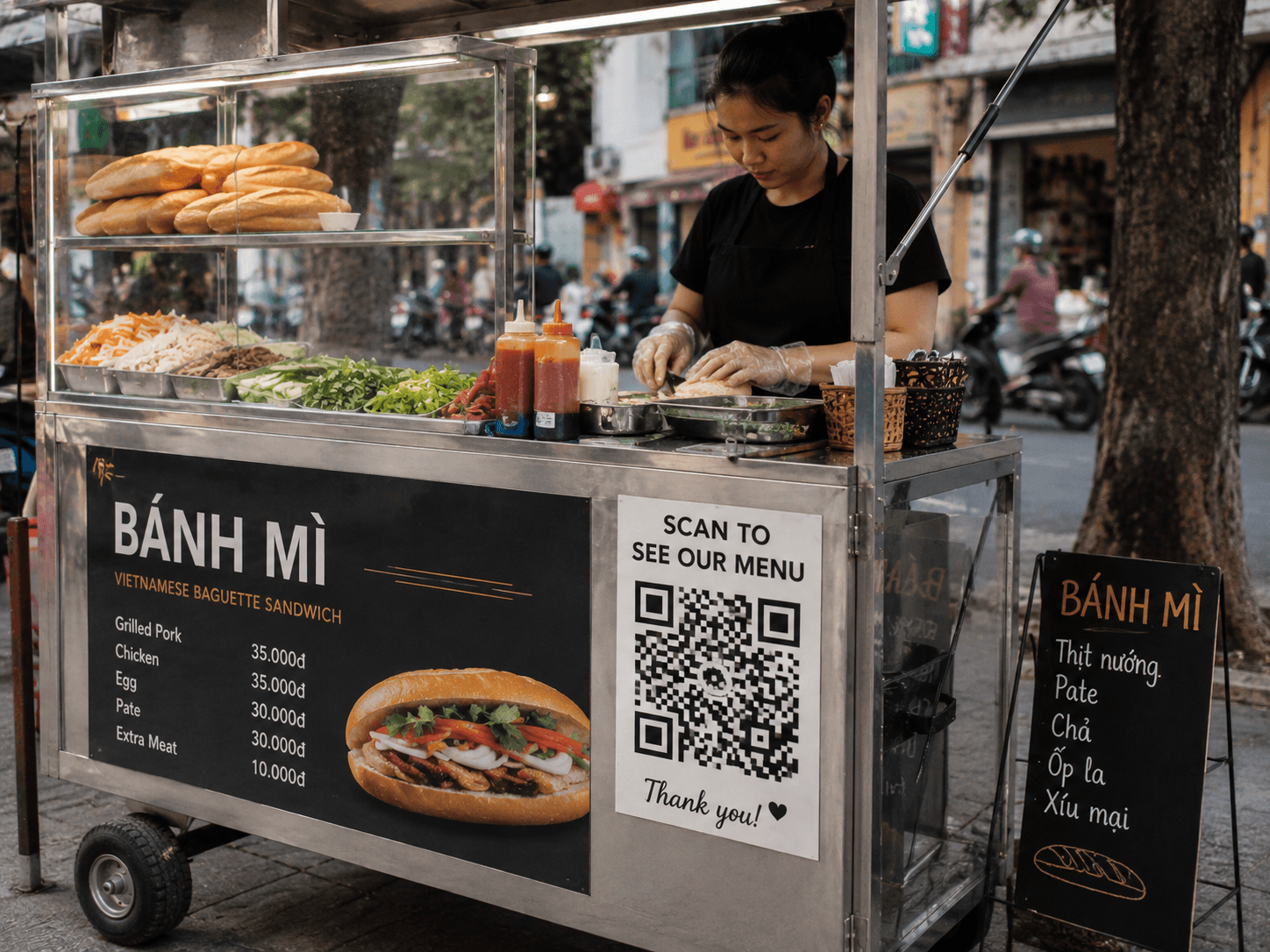
Linh runs a bánh mì cart down a busy hẻm in Ho Chi Minh City. The smell draws people in, but her handwritten menu board is small, faded, and hard to read from across the lane. Tourists and locals alike want to see what the dishes look like and what is in them before they commit to the queue — especially when everything is new to them.
For: Vietnamese street food vendors, chợ đêm stalls, hẻm carts, and open-air food courts
The problem
In a typical Vietnamese street food setup, your best marketing is what people can smell and see cooking. But the menu itself is often a cramped chalkboard, a laminated sheet in the heat, or a few prices written in chalk. That works for regulars — not for someone standing ten metres away trying to work out what you serve.
Queues move fast. If customers cannot read the board or picture the dishes, they hesitate, ask the same questions in three languages, or walk on to the next stall. You lose sales not because the food is wrong, but because the menu never reached them in time.
Why a full website is usually the wrong tool
A street food cart does not need five pages, a blog, plugins, or a shopping cart. The old internet playbook says register a domain, buy hosting, and learn a website builder — then pay again every year whether the stall is open four nights a week or seven.
Most vendors only need one thing customers can open on a phone: the menu, photos of the food, a line or two about ingredients or spice level, and maybe where you are tonight. That is an instant page, not a traditional website project.
Scan from a distance — menu, photos, and context
Print a large, high-contrast QR code on your stall sign, umbrella stand, or A-frame at the front of the queue. Customers scan from across the alley or market aisle and land on a mobile-friendly menu page — not a PDF zoomed to illegible size.
They can browse sections (bánh mì fillings, sides, drinks, tonight's special), read short descriptions, see prices in đồng, and scroll a photo gallery of what you actually serve. That is how you answer "what is that?" and "có cay không?" before they reach the front of the line.
How the t.my Menu template fits
The t.my Menu template is built for exactly this: one short link, one page, updated when your menu changes. Add sections and items, upload food photos to the gallery, set a background image that matches your stall, and publish. Share the built-in QR code on signage sized for distance scanning.
Pages load quickly on phones — important on busy market Wi‑Fi and mobile data. t.my runs on a global edge network, so your menu is served close to where your customers are, not from a single slow server on the other side of the world.
What you can put on the page
- Stall name and a short welcome (in Vietnamese, English, or both)
- Menu sections — e.g. bánh mì, sides, drinks, and daily specials
- Individual dishes with descriptions, prices, and spice or dietary notes
- A photo gallery (up to 12 images) so people see the real food, not stock photos
- Background branding that matches your cart or chợ đêm look
- Location notes — which market, which hẻm or phố, or which nights you are open
- Contact or social links (Zalo, Facebook, Instagram, and so on)
- A short link and QR code, with built-in scan and visit analytics
Economical to run — savings passed on to you
Traditional setup means a domain renewal, hosting, and a website builder subscription every year — often far more than a small stall earns in a slow week. t.my is priced for everyday operators: Creator is $2 USD per month, billed yearly (50% off the regular $4/month, billed yearly) — and free for everyone for a limited time. No domain or multi-page site required. We keep infrastructure lean by running a global edge network instead of bloated hosting stacks, and we pass those savings on rather than charging like a registrar-plus-builder bundle. See pricing for current plans and offers.
A new way to share online
t.my is not trying to copy the old "register a domain, install WordPress, hope for traffic" model. It is an instant page builder — a new way to get online when all you need is something scannable, readable, and easy to update from your phone after service.
You do not have to think like an internet registrar or a web agency. Publish a menu at a short link, put the QR on your stall, and change tonight's special in minutes. For street food venues, that shift is practical: less overhead, more clarity for customers, and analytics that tell you whether your front sign or your queue board gets more scans.
Where to place your QR code
Chợ đêm and hẻm stalls compete on visibility. Use a QR large enough to scan from the approach path — on your main sign, a standing banner, or the front of the counter. Some vendors use a second, smaller code at the order window for people already in line.
You can also share the same short link on Google Maps, tourist maps, Zalo groups, or a laminated card on the table. Different QR placements can be tracked separately so you learn what actually gets opened.
Example scenario
Linh creates t.my/linhbanhmi with a bánh mì section listing thịt nướng, gà, trứng, pate, and chả with prices in đồng, plus sides and drinks. She uploads gallery photos of each sandwich and her finished bánh mì, and notes which fillings are spicy. She prints a bold QR on a “scan to see our menu” sign on the cart so people scanning from the hẻm see the full menu before they queue.
On Tuesday she adds a weekend special and marks pate as sold out. After a busy weekend she checks analytics: most scans came from the large front sign, not the small code on the counter — so she enlarges the front QR for the next market night. No domain, no website rebuild, no reprinting a full paper menu.
Also worth reading
If you run a food van or Western-style market stall with similar needs, see our food truck and market stall menu guide. For a broader online presence beyond a menu, a small business page may be a better fit.
Ready to try it?
Create your own menu page in minutes — short link, QR code, and built-in analytics included.
Create a street food menu →Related use cases
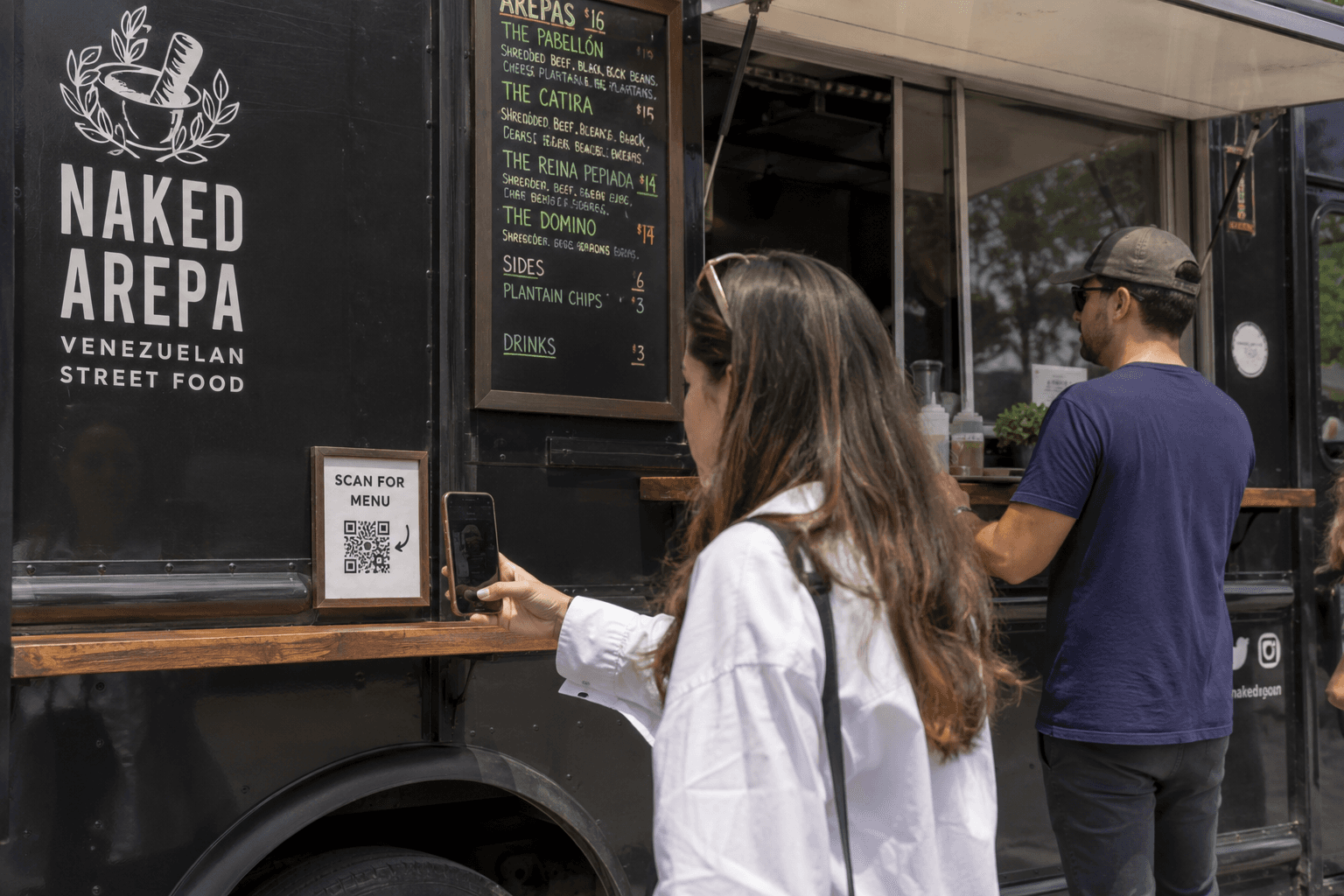
QR Code Menus for Food Trucks, Food Vans and Market Stalls
Replace printed menu boards with a QR code menu page customers can scan on their phone — easy to update, easy to share, with built-in scan analytics.
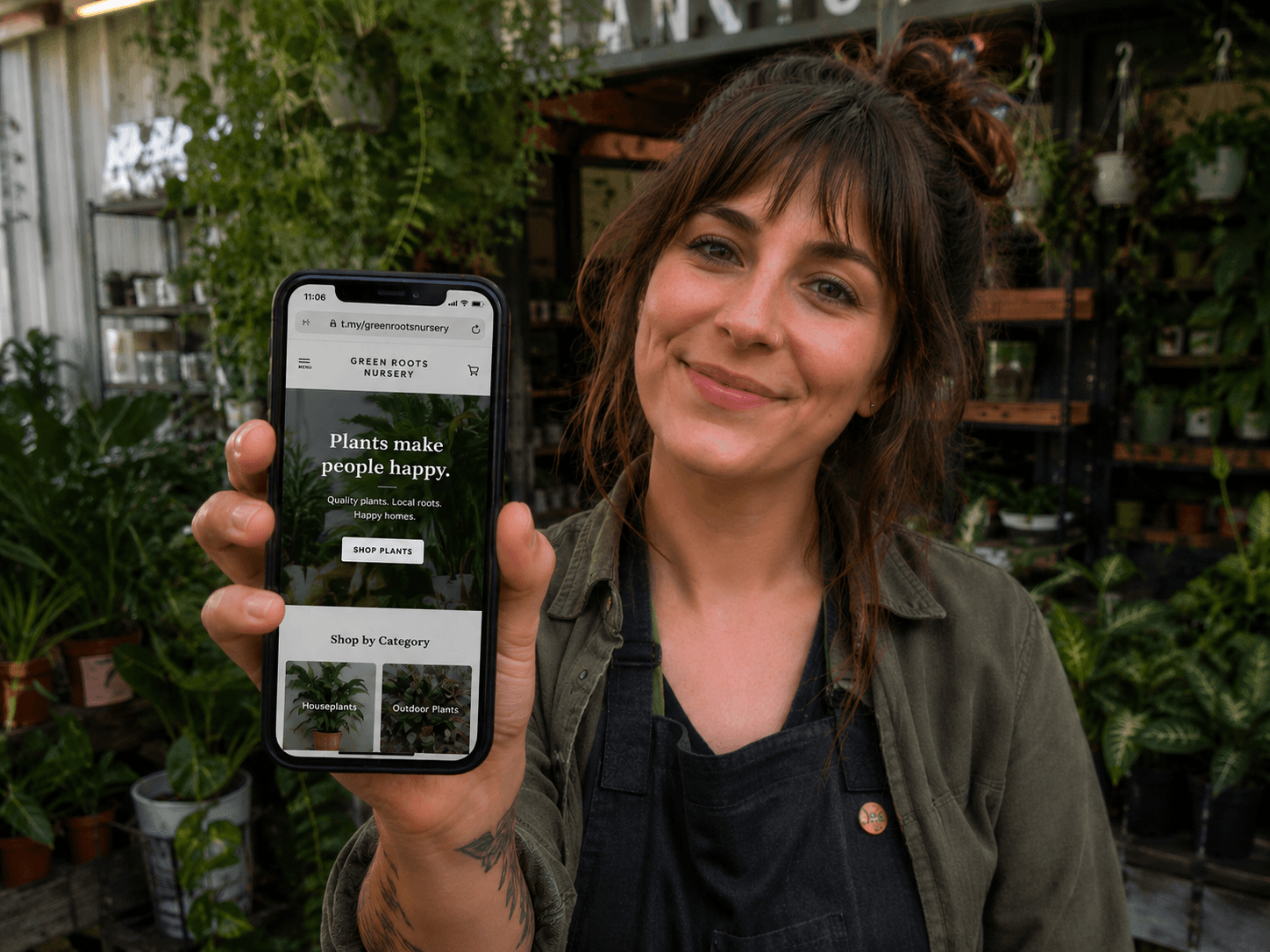
A Simple Online Page for Small Businesses That Do Not Need a Full Website
Home-run sellers and market stalls can publish a neat t.my small business page with photos, hours, contact options, and QR codes — without paying for a full website.